

How Many Recurrences of Depression Are Dangerous? When Is Long-Term Treatment Needed? | Safe and Sound
Recurrent depression is not uncommon. According to many clinical studies, about 50% of people who have experienced depression once will have at least one recurrence in the future. This number increases significantly in those who have experienced two or more episodes. Even more concerning is that each recurrence can be faster, more severe, and more difficult to treat than the previous one if not properly addressed. So, how many relapses of depression are considered dangerous? And when should long-term treatment be considered necessary instead of just managing individual episodes? This article will answer each of those questions.
What is recurrent depression and why does it occur?
Recurrent depression occurs when a person has fully recovered from a depressive episode—that is, has been symptom-free for at least several months—but then the symptoms reappear. This is different from "not fully recovered," where symptoms never truly disappear but only temporarily lessened.
Understanding this distinction is important because it directly impacts the course of treatment. Relapse after complete recovery requires a complete reassessment, while incomplete recovery often requires adjustments to the existing treatment regimen.
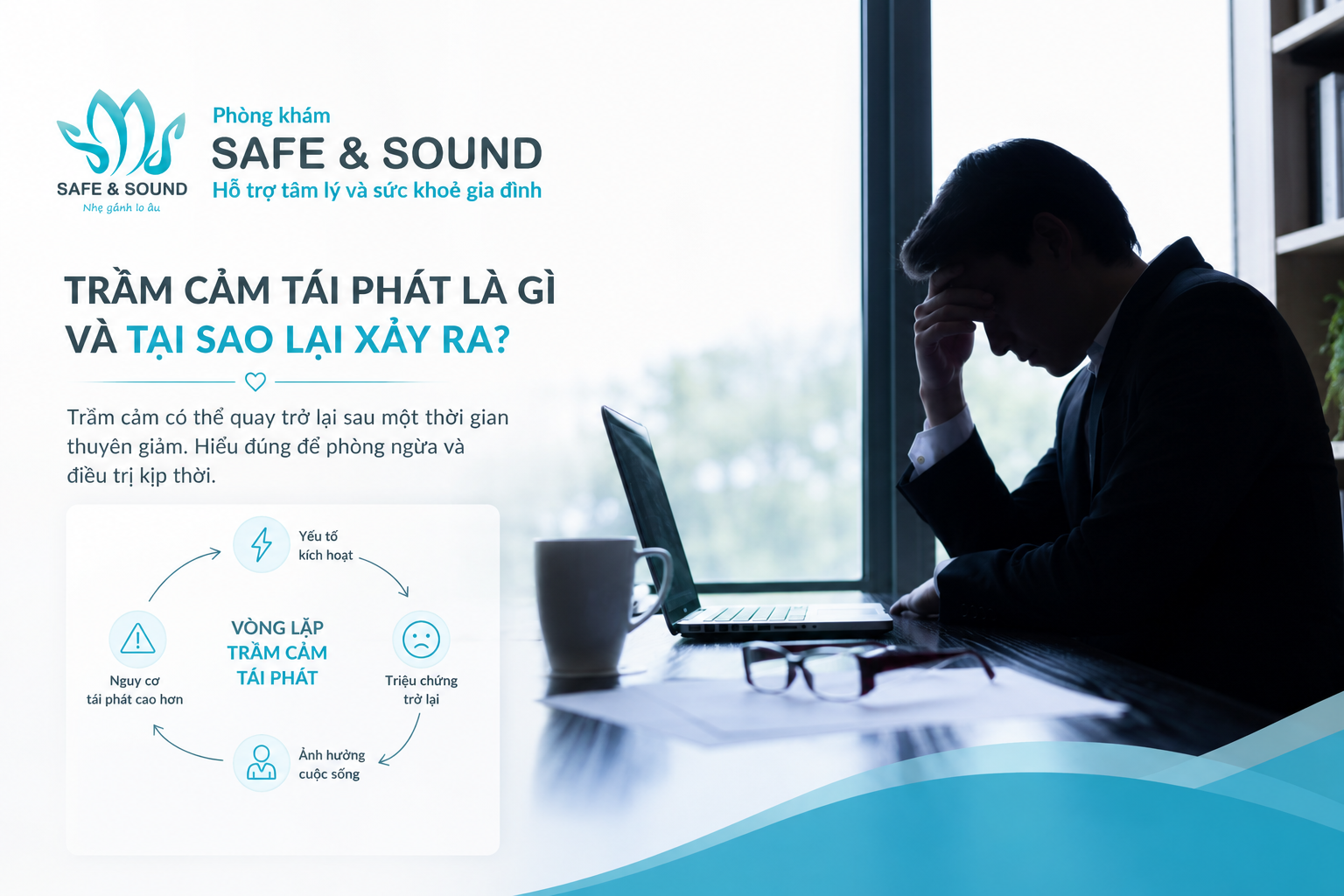
How is a relapse different from "being sad again"?
This is a question that many people, both those with the disorder and their loved ones, often struggle to answer. Not every instance of feeling sad, tired, or lacking motivation is a sign of a relapse of depression.
Temporary negative emotions often have a clear cause (job loss, argument, prolonged bad weather), usually last only a few days, and do not significantly interfere with daily life. In contrast, recurrent depression often has specific signs that require attention:
- A feeling of sadness, emptiness, or hopelessness that lasts for more than two weeks and does not subside even when circumstances improve.
- A noticeable loss of interest in activities once enjoyed, even the simplest ones.
- Changes in sleep patterns: sleeping too much or prolonged insomnia.
- Unexplained changes in eating habits and weight.
- Difficulty concentrating, forgetfulness, and difficulty making decisions, even small ones.
- Feelings of worthlessness, self-blame, or pessimism about the future.
- Constant fatigue even without much activity.
If you notice three or more symptoms from the list above and they last for more than two weeks, it's time to contact a professional for evaluation; don't wait until things get worse.
What factors increase the risk of recurrence?
Recurrent depression doesn't happen randomly. Several factors significantly increase the likelihood of a depressive disorder returning:
- Stopping treatment too early: This is the most common cause. Many people feel better after a few weeks and stop medication or psychotherapy on their own. But feeling better doesn't mean the brain has fully recovered.
- History of multiple relapses: Each relapse increases the risk of a subsequent one. A person who has had two relapses has a 70–80% risk of a third relapse.
- Unresolved, prolonged stress: Work pressure, family conflicts, or major life events can be the trigger for a new episode of depression.
- Lack of social support systems: Living in isolation, lacking close and meaningful relationships, reduces the brain's resilience.
- Co-existing mental health issues: Anxiety disorders, sleep disorders, or substance abuse, when combined with depression, significantly increase the risk of relapse.
>> See also: Self-checking for depression at home - What you need to know
How many relapses are needed before long-term treatment is required?
This is a question many people want a clear answer to. According to current clinical guidelines, long-term treatment (or maintenance therapy) is typically considered in the following cases:
- From the second recurrence onwards, especially if the two occur within five years.
- Individuals who have experienced three or more relapses are usually recommended to continue maintenance treatment for an unlimited period.
- Severe depression from the very first episode, with thoughts of self-harm.
- Depression lasting more than two years in a single episode.
However, the number of relapses is only one of many factors to consider. More important are the impact on quality of life, the interval between relapses, and the rate of recovery after each episode. Below is a summary table of the differences between the two treatment regimens for your reference:
|
Criteria |
Short-term treatment |
Long-term (maintenance) treatment |
|
Target |
Control symptoms of the current episode. |
Preventing future recurrence |
|
Time |
Usually 6–12 months after recovery |
Many years or an indefinite period |
|
Suitable for whom? |
First recurrence, mild to moderate severity |
From the 2nd or 3rd time onwards, the history is severe. |
|
What does it include? |
Medication and/or psychotherapy |
Combining medication, therapy, and a personalized prevention plan. |
|
Does that mean "serious illness"? |
No, this is an evidence-based treatment option. |
No, this is proactive brain protection. |
One thing to understand clearly: long-term treatment does not mean "permanent drug dependence" or "an incurable disease." It's a proactive approach to protecting the brain, similar to how people with high blood pressure need to continue medication to prevent complications, even if they no longer have symptoms.
Recurrent depression is often "silent" than the first episode
One reason recurrent depression is often detected late is because it's not what people expect. The first time someone experiences depression, they often encounter clear and noticeable symptoms: uncontrollable crying, inability to get out of bed, and a profound sense of hopelessness. These symptoms are strong enough for them or those around them to recognize the problem and seek help.
But when it recurs, that picture is often different. There doesn't necessarily have to be tears. You don't necessarily have to feel "bad enough" to feel the need to see a doctor. Instead, many people simply notice:
- Chronic fatigue despite getting enough sleep.
- Every day I get my work done, but I no longer find meaning in anything.
- They gradually withdraw, texting less, meeting less, and sharing less, for no apparent reason.
- It feels like living in "automatic mode": everything is still being done, but inside, it's empty.
- More irritable and impatient than usual.
This "false normalcy" leads many people to tell themselves: "I'm not that bad," "I'm probably just tired," "Just a little more effort and I'll be fine." And so time passes while the situation gradually worsens.
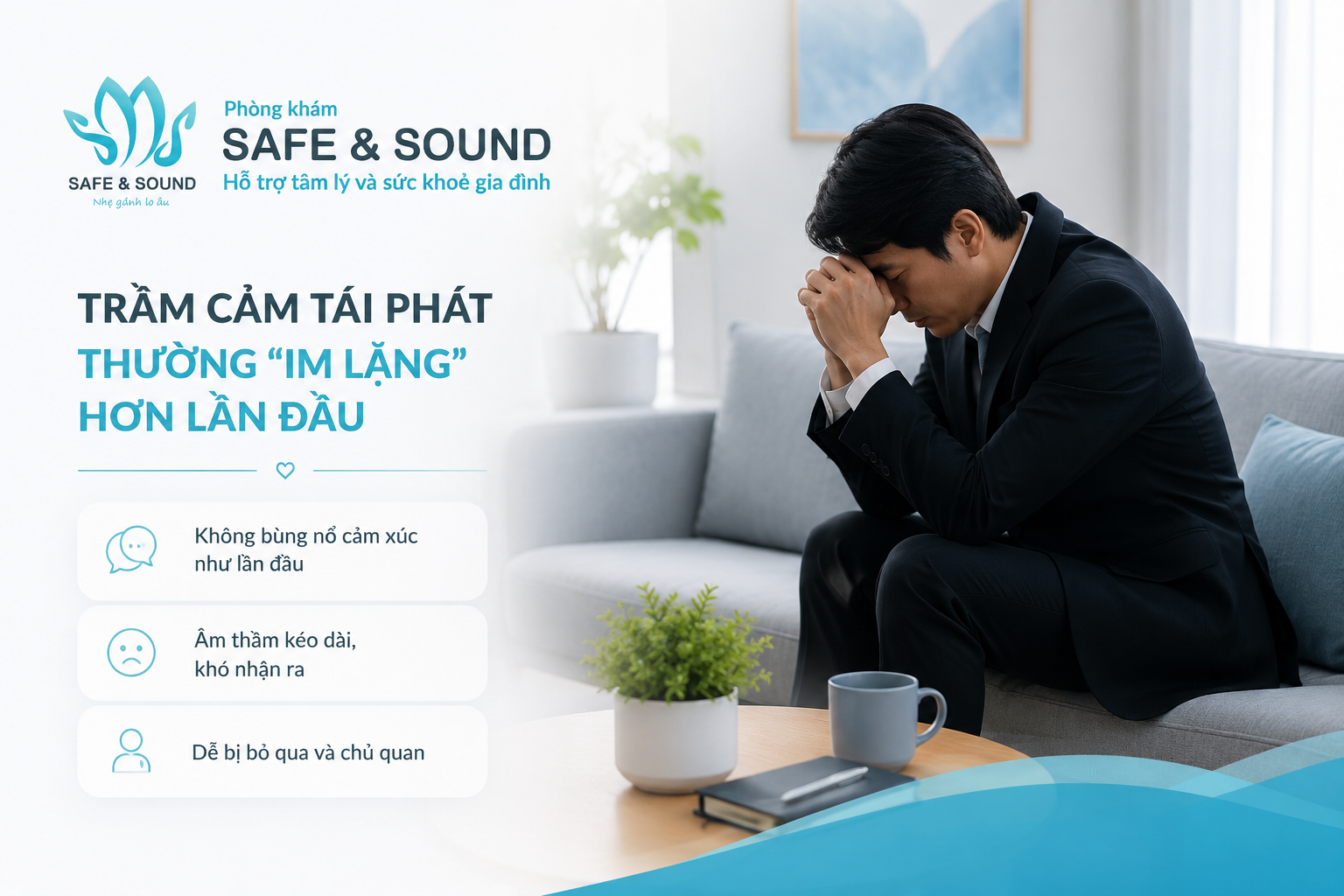
This is also why self-monitoring small changes in thoughts, feelings, and behavior is important, especially for those who have previously experienced depression. There's no need to wait until things get "bad enough" to seek help.
After a relapse, what changes should you make compared to the first treatment?
Treating depression initially and treating it after a relapse are not entirely the same. While the initial treatment is about "getting out" of the difficult state, this time it requires a more important step: developing a long-term prevention plan.
- Seek treatment sooner, don't wait until it's "severe": If you recognize early warning signs, seek professional help immediately without waiting until the condition worsens. Early intervention significantly shortens recovery time.
- Identify your own "personal warning signs": Everyone has unique signs before a relapse: it could be insomnia, withdrawal from friends, irritability, or loss of taste. Recognizing your own "signals" helps you act before the condition becomes serious.
- Do not stop treatment on your own when you feel better: This is the most common mistake leading to relapse. Feeling better is a result of treatment, not a sign that you can stop. Any changes to medication or treatment frequency should be discussed with a specialist.
- Build a conscious support system: Share your prevention plan with a trusted family member or friend. Sometimes outsiders recognize the signs of relapse before the person experiencing it.
- Pay attention to triggers: After a relapse, review with a professional what happened previously: what events, changes, stressful periods, etc., so you can better identify and respond in the future.
Long-term treatment doesn't mean life is limited. On the contrary, many people, thanks to a clear treatment plan and monitoring, live more stable lives and have a better quality of life than they would if they were managing on their own.

Conclude
Recurrent depression is not a failure of treatment, nor is it a sign that you will "never get better." It's a natural characteristic of depressive disorders. If you're experiencing worrying signs, even if it's just "feeling unwell but not knowing why," don't wait until things get worse. Seeking support doesn't mean you're weak. It's a proactive way to protect your mental health.
 At SNS (Safe & Sound Clinic), everyone is listening to with respect and without judgment. Whether you are in the early stages of worrying symptoms or have experienced multiple relapses, we are here to help you assess your condition and develop the most appropriate plan for you.
